Platform comparison
| Platform | YES odds | NO odds | Fee | KYC | Settlement | |
|---|---|---|---|---|---|---|
Polymarket (via Trump Prediction) Pick polygram.ink (preferred broker) |
24% | 76% | 0% (USDC on-chain) | No-KYC up to $1,500 | USDC, auto via UMA oracle | Live odds → |
Polymarket (direct) polymarket.com |
24% | 76% | 0% | Geo-blocked in US/UK/EU | USDC, on-chain | Live odds → |
Kalshi kalshi.com |
— | — | Up to 7% per trade | US-only, KYC required | USD | Live odds → |
Betfair Exchange betfair.com |
— | — | 2-5% commission | Full KYC from first trade | GBP / EUR | Live odds → |
Manifold Markets manifold.markets |
— | — | Play-money (mana) | None — play-money | Mana (no cash-out) | Live odds → |
Outcome probabilities
Current market-implied probability for each outcome, from the live order book.
| Outcome | Probability |
|---|---|
| December 31 | 24% |
| September 30 | 9% |
| June 30 | 0% |
Market context
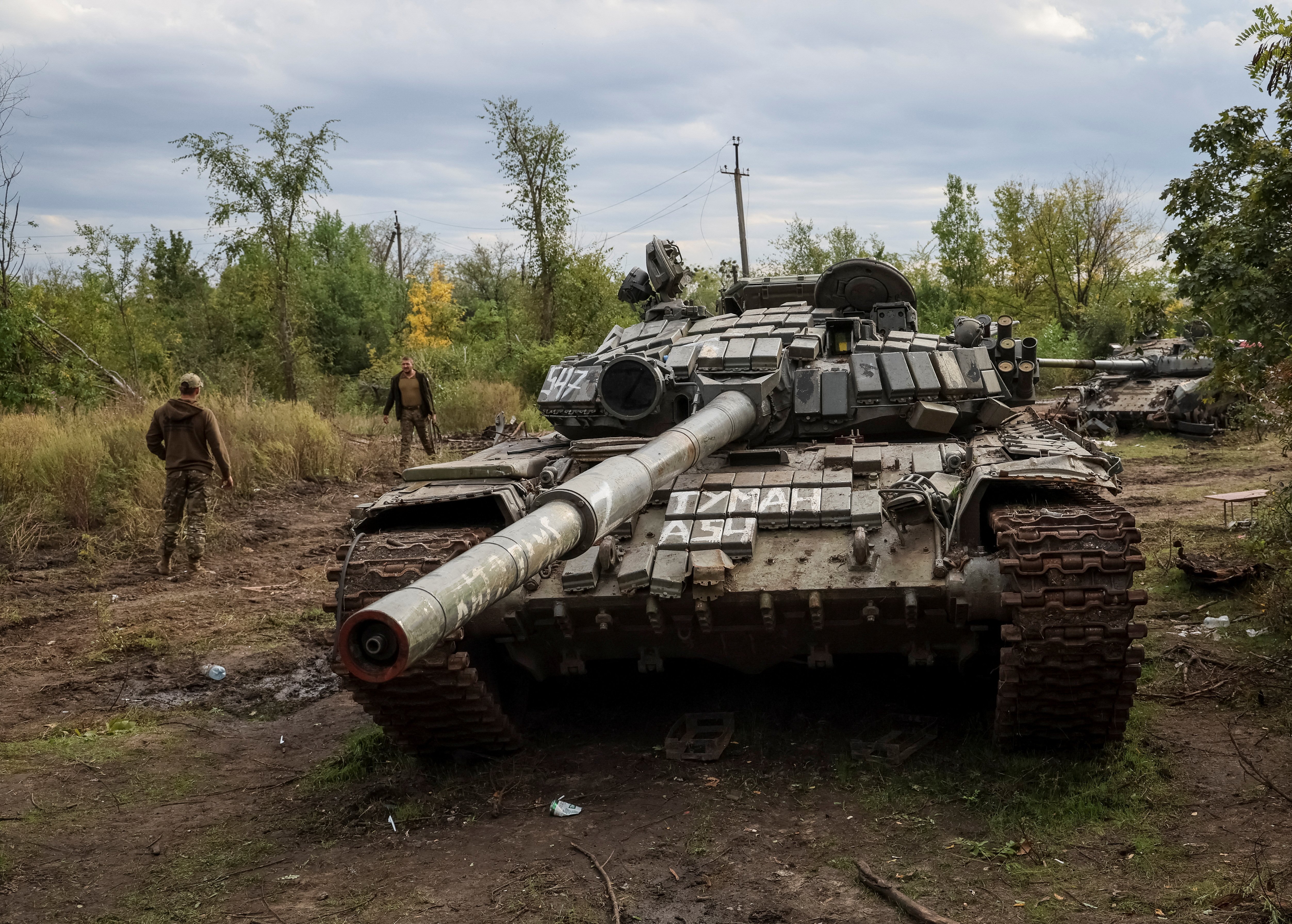
Mala Tokmachka is still an active frontline settlement in Zaporizhzhia Oblast, and the market is really about whether the ISW map will show the key intersection shaded red by the deadline. Current open-source status pages describe the village as contested, with neither side holding full control, which is consistent with the crowd’s 0% implied probability and suggests traders are leaning on the absence of any verified red shading on the ISW map rather than on battlefield claims alone.[1][3]
The historical frame is one of repeated Russian assaults without durable consolidation. Reporting through mid-2026 describes the village as having held out for more than 1,500 days, while Ukrainian and independent sources say Russian forces have repeatedly failed to seize it, even after claiming gains in late 2025 and early 2026.[2][5][8][16] That makes this a control-and-mapping market more than a pure momentum trade: past statements of capture have not reliably translated into map-based confirmation, and the long record of contested control helps explain why the market remains priced at zero.[2][6][18]
The main catalyst to watch is any shift in ISW’s linework after major Russian offensive reports, particularly if the Institute updates the Orikhiv sector after claims of seizure around Mala Tokmachka.[18] Traders should also watch battlefield reporting around the village, because recent accounts still describe active fighting and failed Russian assaults, which would need to turn into durable map shading before this market can resolve Yes.[1][17]
Methodology
Political prediction markets differ structurally from sports betting: thinner liquidity, longer settlement windows, higher sensitivity to single news events. This page shows the live Polymarket quote for Will Russia capture Mala Tokmachka by 2026? plus platform attributes for the three reference venues, so you can see at a glance where the deepest market for this question sits.
Resolution & payout
Political markets typically settle on official candidate or agency confirmation. Polymarket uses UMA Optimistic Oracle: a proposer posts the outcome with a bond, the two-hour window opens, then the smart contract pays USDC.
Kalshi settles USD via CFTC clearinghouse, with clearly defined resolution sources (e.g. AP race calls for elections). Betfair settles after the official outcome is registered with the league or agency. Manifold is play-money.
FAQ
- How accurate are political prediction markets?
- Historically more accurate than polls. Polymarket's Brier score on US 2024 elections was ~0.11 — better than 538 (~0.14) and every mainstream poll. Markets aggregate information with real skin in the game.
- Which platform has the deepest political liquidity?
- Polymarket — by far. US 2024 presidential volume was ~$3.5B vs Kalshi (~$200M) and Betfair (~$120M). Where Polymarket is geo-blocked, brokers like Trump Prediction route into the same order book at 0% fees.
- How fast do political markets react to news?
- High-liquidity markets move within seconds to minutes. A Trump tweet on the economy can shift the "Trump 2024" market 2-5 points before mainstream media has written anything.
- Why do Polymarket and Kalshi differ on elections?
- Kalshi must follow CFTC compliance — strict definitions, clear resolution sources, US citizens only with KYC. Polymarket operates globally without CFTC oversight — deeper liquidity, but also higher regulatory risk.
- Which political events have the biggest volume?
- US Presidential election, party nominations (DNC/RNC), Senate majorities, individual state outcomes (Pennsylvania, Michigan, Wisconsin), and major European elections. Peak markets reach $50-500M per event.
%22%2F%3E%3Cpath%20d%3D%22M%206%2066%20A%2026%2026%200%200%201%2058%2066%22%20fill%3D%22%23E6B98D%22%20opacity%3D%220.9%22%2F%3E%3Ccircle%20cx%3D%2232%22%20cy%3D%2226%22%20r%3D%2222%22%20fill%3D%22%23F5CBA7%22%2F%3E%3Crect%20x%3D%2210%22%20y%3D%224%22%20width%3D%2244%22%20height%3D%2214%22%20rx%3D%227%22%20fill%3D%22%23fbbf24%22%20opacity%3D%220.9%22%2F%3E%3Crect%20x%3D%228%22%20%20y%3D%2218%22%20width%3D%228%22%20%20height%3D%2218%22%20rx%3D%224%22%20fill%3D%22%23fbbf24%22%20opacity%3D%220.7%22%2F%3E%3Crect%20x%3D%2248%22%20y%3D%2218%22%20width%3D%228%22%20%20height%3D%2218%22%20rx%3D%224%22%20fill%3D%22%23fbbf24%22%20opacity%3D%220.7%22%2F%3E%3C%2Fsvg%3E) and
and%22%2F%3E%3Cpath%20d%3D%22M%206%2066%20A%2026%2026%200%200%201%2058%2066%22%20fill%3D%22%23E6B98D%22%20opacity%3D%220.9%22%2F%3E%3Ccircle%20cx%3D%2232%22%20cy%3D%2226%22%20r%3D%2222%22%20fill%3D%22%23F5CBA7%22%2F%3E%3Cpath%20d%3D%22M%2010%2018%20Q%2016%204%2026%2010%20Q%2020%202%2032%206%20Q%2044%202%2038%2010%20Q%2048%204%2054%2018%22%20stroke%3D%22%23fbbf24%22%20stroke-width%3D%224%22%20fill%3D%22none%22%20stroke-linecap%3D%22round%22%2F%3E%3C%2Fsvg%3E)
Trade Will Russia capture Mala Tokmachka by 2026? on Trump Prediction
Live order book, 0% fees, USDC settlement in seconds.
Open live market →