Platform comparison
| Platform | YES odds | NO odds | Fee | KYC | Settlement | |
|---|---|---|---|---|---|---|
Polymarket (via Trump Prediction) Pick polygram.ink (preferred broker) |
31% | 69% | 0% (USDC on-chain) | No-KYC up to $1,500 | USDC, auto via UMA oracle | Live odds → |
Polymarket (direct) polymarket.com |
31% | 69% | 0% | Geo-blocked in US/UK/EU | USDC, on-chain | Live odds → |
Kalshi kalshi.com |
— | — | Up to 7% per trade | US-only, KYC required | USD | Live odds → |
Betfair Exchange betfair.com |
— | — | 2-5% commission | Full KYC from first trade | GBP / EUR | Live odds → |
Manifold Markets manifold.markets |
— | — | Play-money (mana) | None — play-money | Mana (no cash-out) | Live odds → |
Outcome probabilities
Current market-implied probability for each outcome, from the live order book.
| Outcome | Probability |
|---|---|
| United States | 31% |
| United Kingdom | 4% |
| France | 4% |
| Italy | 2% |
| Germany | 2% |
| Netherlands | 1% |
| Greece | 1% |
| Australia | 1% |
Market context
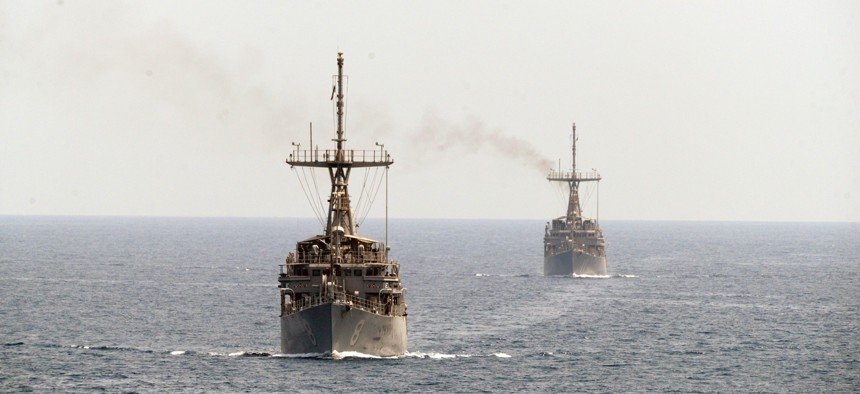
The question centres on whether any nation's warships will pass through the Strait of Hormuz—the world's most critical oil chokepoint, separating Iran from Oman—between now and the end of July 2026. The strait handles roughly one-third of global seaborne petroleum trade, making military transits there a sensitive geopolitical signal. The 5% implied probability reflects the market's assessment that such a transit is unlikely within the next 18 months, though the definition includes military support vessels alongside combat ships, broadening what counts as a "warship."
Historical precedent suggests warship transits through the strait occur regularly but often go unannounced or are reported only after the fact. The US Navy has conducted Freedom of Navigation operations through the strait multiple times since 2012, whilst allied navies including those of France, the UK, and Australia have similarly transited without triggering major escalation. Iran's own naval exercises and patrols in the strait are routine. The low probability here likely reflects trader confidence that no *new* or *escalatory* transit will occur—rather than doubt that military vessels will pass through at all—since routine operations by established naval powers typically avoid market-moving controversy.
Traders should monitor announcements from the US Fifth Fleet, based in Bahrain, regarding scheduled operations or freedom of navigation assertions. Recent tensions between Iran and Gulf states, particularly following attacks on shipping and regional military posturing, could alter calculus around transits. Any major escalation in US–Iran relations, shifts in sanctions policy under the incoming administration, or Iranian provocations would shift the probability upward. Reuters and the US Naval Institute provide reliable reporting on Gulf military movements.
Methodology
Political prediction markets differ structurally from sports betting: thinner liquidity, longer settlement windows, higher sensitivity to single news events. This page shows the live Polymarket quote for Which countries will send warships through the Strait of Hormuz by July 31? plus platform attributes for the three reference venues, so you can see at a glance where the deepest market for this question sits.
Resolution & payout
Political markets typically settle on official candidate or agency confirmation. Polymarket uses UMA Optimistic Oracle: a proposer posts the outcome with a bond, the two-hour window opens, then the smart contract pays USDC.
Kalshi settles USD via CFTC clearinghouse, with clearly defined resolution sources (e.g. AP race calls for elections). Betfair settles after the official outcome is registered with the league or agency. Manifold is play-money.
FAQ
- How accurate are political prediction markets?
- Historically more accurate than polls. Polymarket's Brier score on US 2024 elections was ~0.11 — better than 538 (~0.14) and every mainstream poll. Markets aggregate information with real skin in the game.
- Can prediction markets influence election outcomes?
- Markets reflect expectations rather than create them. Studies show public-facing markets can anchor expectations, but don't influence the underlying outcome. Political markets are information, not advocacy.
- Are political prediction markets legal in my country?
- It varies. They sit in legal gray areas in most jurisdictions. Polymarket is geo-blocked from US/UK/EU; some broker frontends have a different geo footprint. Trade only with capital you can afford to lose, and only if you understand the legal status in your jurisdiction.
- Why do Polymarket and Kalshi differ on elections?
- Kalshi must follow CFTC compliance — strict definitions, clear resolution sources, US citizens only with KYC. Polymarket operates globally without CFTC oversight — deeper liquidity, but also higher regulatory risk.
- Which political events have the biggest volume?
- US Presidential election, party nominations (DNC/RNC), Senate majorities, individual state outcomes (Pennsylvania, Michigan, Wisconsin), and major European elections. Peak markets reach $50-500M per event.
%22%2F%3E%3Cpath%20d%3D%22M%206%2066%20A%2026%2026%200%200%201%2058%2066%22%20fill%3D%22%23E6B98D%22%20opacity%3D%220.9%22%2F%3E%3Ccircle%20cx%3D%2232%22%20cy%3D%2226%22%20r%3D%2222%22%20fill%3D%22%23F5CBA7%22%2F%3E%3Crect%20x%3D%2210%22%20y%3D%224%22%20width%3D%2244%22%20height%3D%2214%22%20rx%3D%227%22%20fill%3D%22%23fbbf24%22%20opacity%3D%220.9%22%2F%3E%3Crect%20x%3D%228%22%20%20y%3D%2218%22%20width%3D%228%22%20%20height%3D%2218%22%20rx%3D%224%22%20fill%3D%22%23fbbf24%22%20opacity%3D%220.7%22%2F%3E%3Crect%20x%3D%2248%22%20y%3D%2218%22%20width%3D%228%22%20%20height%3D%2218%22%20rx%3D%224%22%20fill%3D%22%23fbbf24%22%20opacity%3D%220.7%22%2F%3E%3C%2Fsvg%3E) and
and%22%2F%3E%3Cpath%20d%3D%22M%206%2066%20A%2026%2026%200%200%201%2058%2066%22%20fill%3D%22%23E6B98D%22%20opacity%3D%220.9%22%2F%3E%3Ccircle%20cx%3D%2232%22%20cy%3D%2226%22%20r%3D%2222%22%20fill%3D%22%23F5CBA7%22%2F%3E%3Cpath%20d%3D%22M%2010%2018%20Q%2016%204%2026%2010%20Q%2020%202%2032%206%20Q%2044%202%2038%2010%20Q%2048%204%2054%2018%22%20stroke%3D%22%23fbbf24%22%20stroke-width%3D%224%22%20fill%3D%22none%22%20stroke-linecap%3D%22round%22%2F%3E%3C%2Fsvg%3E)
Trade Which countries will send warships through the Strai… on Trump Prediction
Live order book, 0% fees, USDC settlement in seconds.
Open live market →