Platform comparison
| Platform | YES odds | NO odds | Fee | KYC | Settlement | |
|---|---|---|---|---|---|---|
Polymarket (via Trump Prediction) Pick polygram.ink (preferred broker) |
13% | 87% | 0% (USDC on-chain) | No-KYC up to $1,500 | USDC, auto via UMA oracle | Live odds → |
Polymarket (direct) polymarket.com |
13% | 87% | 0% | Geo-blocked in US/UK/EU | USDC, on-chain | Live odds → |
Kalshi kalshi.com |
— | — | Up to 7% per trade | US-only, KYC required | USD | Live odds → |
Betfair Exchange betfair.com |
— | — | 2-5% commission | Full KYC from first trade | GBP / EUR | Live odds → |
Manifold Markets manifold.markets |
— | — | Play-money (mana) | None — play-money | Mana (no cash-out) | Live odds → |
Market context
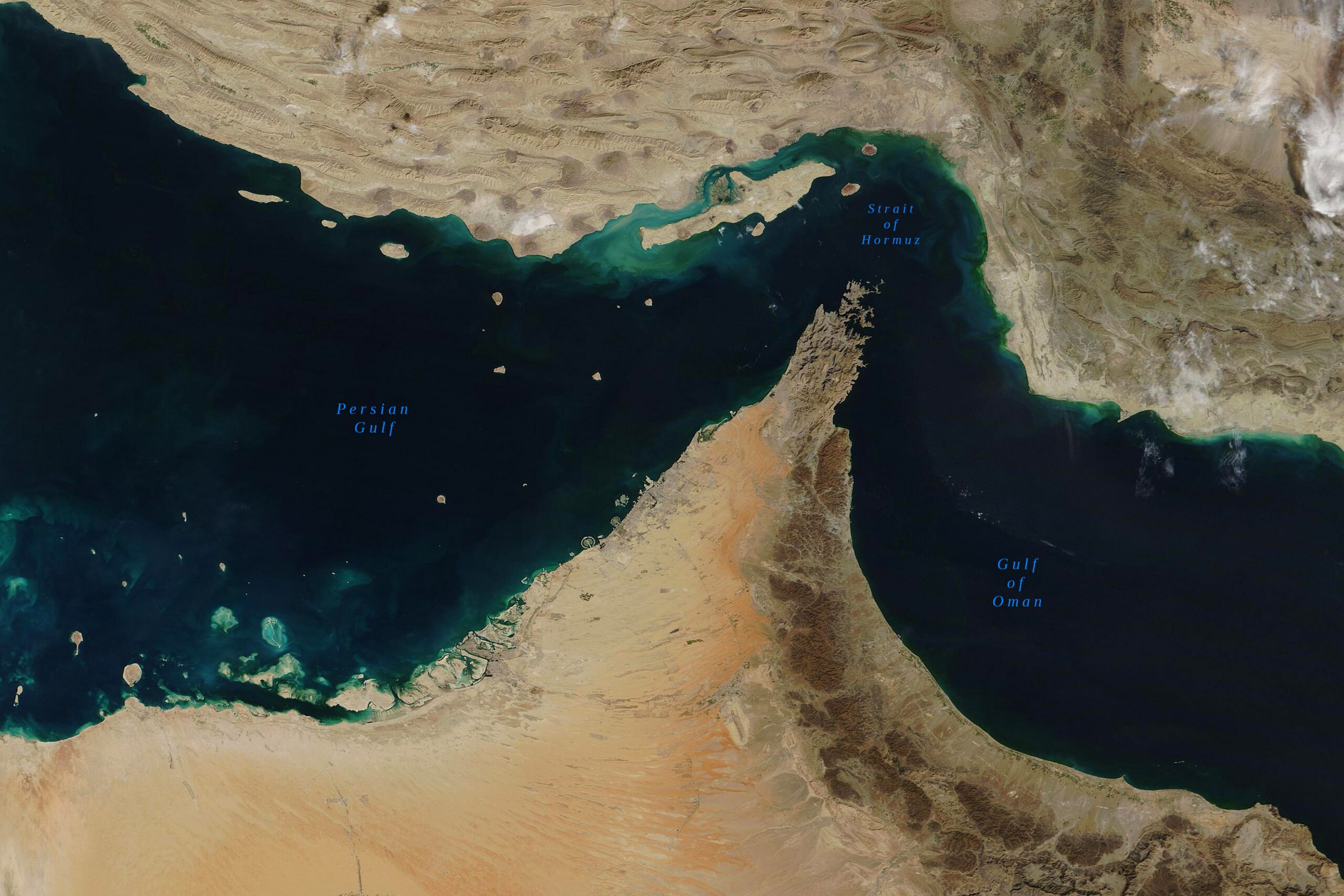
Strait of Hormuz traffic returns to normal by December 31?. The market is currently pricing the outcome at 19% YES, meaning crowd-implied probability sits at that level. Settlement is scheduled for 2027-01-01T04:59:00Z. Unlike a sportsbook, the price you see is set by buyers and sellers competing in a live order book — there is no house edge or bookmaker margin to fade.
Political prediction markets price specific outcomes — a candidate winning, a bill passing, an executive action announced — based on real capital from informed traders rather than survey response rates. They tend to update faster than polls when a discrete event lands and slower in the absence of news.
Watch for the underlying catalysts that move this category: each official announcement, dataset release, or scheduled milestone generally produces a step change in the implied probability. Trades execute instantly on Polygon, and shares pay $1 each at resolution if your side wins.
Methodology
Political prediction markets differ structurally from sports betting: thinner liquidity, longer settlement windows, higher sensitivity to single news events. This page shows the live Polymarket quote for Strait of Hormuz traffic returns to normal by December 31? plus platform attributes for the three reference venues, so you can see at a glance where the deepest market for this question sits.
Resolution & payout
Political markets typically settle on official candidate or agency confirmation. Polymarket uses UMA Optimistic Oracle: a proposer posts the outcome with a bond, the two-hour window opens, then the smart contract pays USDC.
Kalshi settles USD via CFTC clearinghouse, with clearly defined resolution sources (e.g. AP race calls for elections). Betfair settles after the official outcome is registered with the league or agency. Manifold is play-money.
UK Frequently Asked Questions
- How accurate are political prediction markets?
- Historically more accurate than polls. Polymarket's Brier score on US 2024 elections was ~0.11 — better than 538 (~0.14) and every mainstream poll. Markets aggregate information with real skin in the game.
- What resolution source is used for elections?
- Polymarket defines the source per contract — usually Associated Press (AP Race Call), Reuters or the official electoral commission. The source is stated in contract details before the market opens.
- Can prediction markets influence election outcomes?
- Markets reflect expectations rather than create them. Studies show public-facing markets can anchor expectations, but don't influence the underlying outcome. Political markets are information, not advocacy.
- Which platform has the deepest political liquidity?
- Polymarket — by far. US 2024 presidential volume was ~$3.5B vs Kalshi (~$200M) and Betfair (~$120M). Where Polymarket is geo-blocked, brokers like Trump Prediction route into the same order book at 0% fees.
- Are UK election prediction markets available from the UK?
- Yes. Betfair Exchange and Smarkets offer UKGC-regulated UK election markets (seat counts, party share, constituency results). Polymarket also lists UK election contracts with deeper global liquidity. Betfair winnings are typically tax-free for UK individuals; Polymarket profits are subject to HMRC CGT.
%22%2F%3E%3Cpath%20d%3D%22M%206%2066%20A%2026%2026%200%200%201%2058%2066%22%20fill%3D%22%23E6B98D%22%20opacity%3D%220.9%22%2F%3E%3Ccircle%20cx%3D%2232%22%20cy%3D%2226%22%20r%3D%2222%22%20fill%3D%22%23F5CBA7%22%2F%3E%3Crect%20x%3D%2210%22%20y%3D%224%22%20width%3D%2244%22%20height%3D%2214%22%20rx%3D%227%22%20fill%3D%22%23fbbf24%22%20opacity%3D%220.9%22%2F%3E%3Crect%20x%3D%228%22%20%20y%3D%2218%22%20width%3D%228%22%20%20height%3D%2218%22%20rx%3D%224%22%20fill%3D%22%23fbbf24%22%20opacity%3D%220.7%22%2F%3E%3Crect%20x%3D%2248%22%20y%3D%2218%22%20width%3D%228%22%20%20height%3D%2218%22%20rx%3D%224%22%20fill%3D%22%23fbbf24%22%20opacity%3D%220.7%22%2F%3E%3C%2Fsvg%3E) and
and%22%2F%3E%3Cpath%20d%3D%22M%206%2066%20A%2026%2026%200%200%201%2058%2066%22%20fill%3D%22%23E6B98D%22%20opacity%3D%220.9%22%2F%3E%3Ccircle%20cx%3D%2232%22%20cy%3D%2226%22%20r%3D%2222%22%20fill%3D%22%23F5CBA7%22%2F%3E%3Cpath%20d%3D%22M%2010%2018%20Q%2016%204%2026%2010%20Q%2020%202%2032%206%20Q%2044%202%2038%2010%20Q%2048%204%2054%2018%22%20stroke%3D%22%23fbbf24%22%20stroke-width%3D%224%22%20fill%3D%22none%22%20stroke-linecap%3D%22round%22%2F%3E%3C%2Fsvg%3E)
Trade Strait of Hormuz traffic returns to normal by Decemb… on Trump Prediction
Live order book, 0% fees, USDC settlement in seconds.
Open live market →